
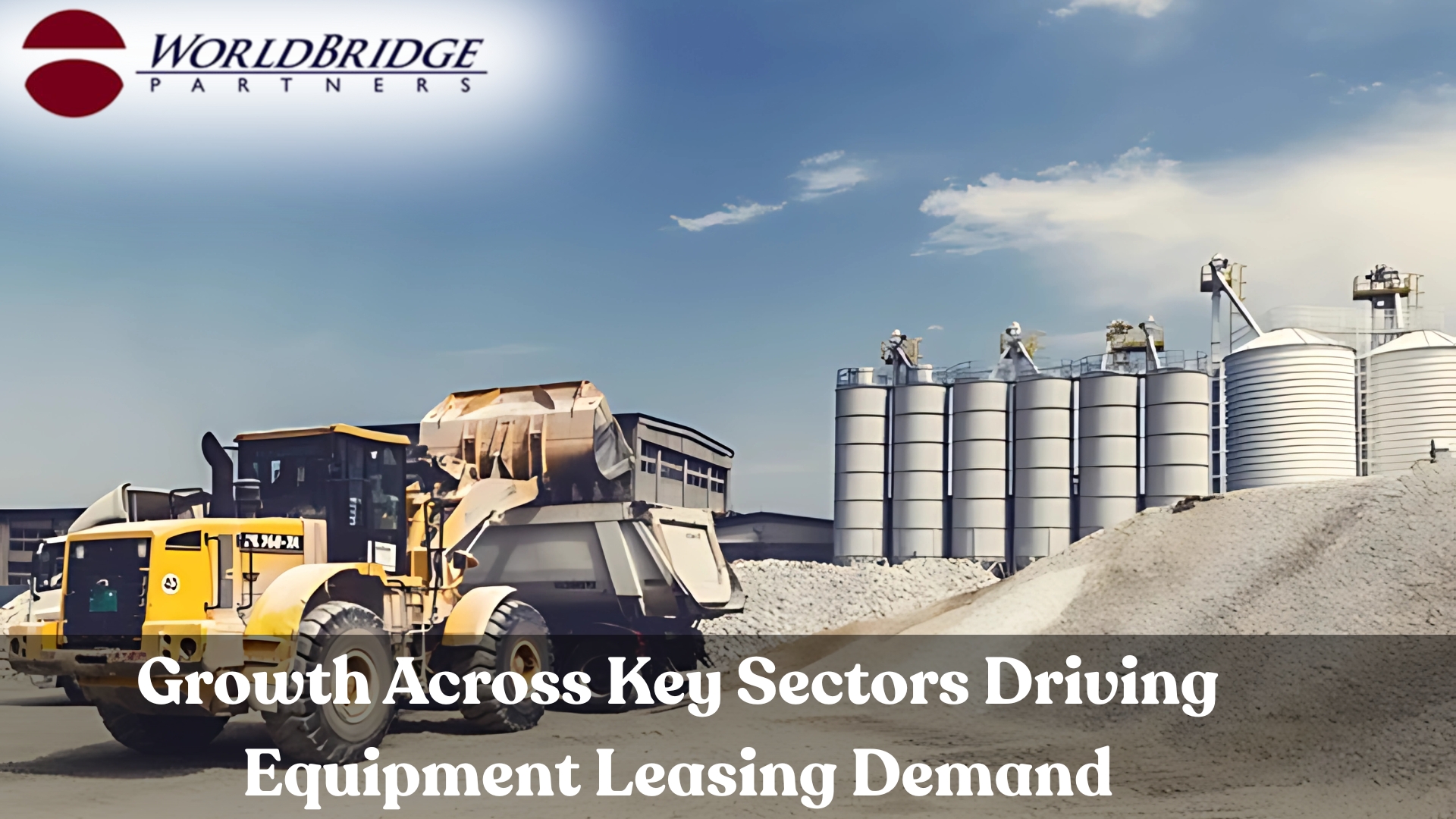
Growth Across Key Sectors Driving Equipment Leasing Demand
Introduction
As industries evolve, companies face rapid technological changes, rising costs, and increased competitive pressures. For many, leasing has become the preferred method of accessing the equipment they need to stay ahead. But the story isn’t just about leasing—it’s about how growth in specific sectors is fuelling demand for flexible financing solutions. From IT to healthcare and construction, each industry presents unique opportunities for the equipment leasing and financing market.
IT Sector: Cloud, AI, and Hardware Refresh Cycles
The IT sector continues to grow at a record pace, driven by the expansion of cloud services, the adoption of artificial intelligence, and increased investments in cybersecurity. Companies need high-performance servers, networking equipment, and end-user devices to keep operations running efficiently. For leasing and financing professionals, this creates steady demand for short-cycle leasing solutions that allow firms to refresh their hardware frequently without locking up capital. Leasing also helps IT firms manage rapid obsolescence by providing them with the flexibility to upgrade to the latest technology when needed.
Healthcare: Medical Equipment Innovation
Healthcare providers are under constant pressure to deliver advanced patient care while managing tight budgets. Demand for imaging systems, diagnostic machines, surgical devices, and lab automation tools continues to rise. Leasing provides hospitals and clinics with access to state-of-the-art medical equipment without massive upfront investments. It also enables them to test new technologies while keeping cash flow available for staffing, research, and patient services. For lessors, this sector offers recurring opportunities as healthcare technology advances and older systems become quickly outdated.
Construction and Infrastructure: Heavy Equipment on Demand
Construction activity, fueled by both private projects and public infrastructure investment, is driving demand for heavy machinery, vehicles, and tools. From excavators and bulldozers to specialized equipment for renewable energy and innovative city projects, leasing offers contractors the ability to scale quickly without taking on heavy debt. Seasonal and project-based demand makes leasing particularly attractive, as companies can match their equipment usage with contract timelines. This flexibility reduces financial risk while ensuring access to reliable machinery.
Manufacturing and Industrial Growth
Manufacturers are modernizing their operations with robotics, automation, and advanced production systems. These investments improve efficiency but come at a high cost. Leasing and financing solutions make it possible for manufacturers to implement new technologies while preserving capital for raw materials, workforce development, and R&D. With global supply chains becoming more competitive, leasing is increasingly seen as a strategic tool to accelerate modernization without overextending financially.
Why Sector Growth Matters for Leasing Professionals
For equipment leasing and financing professionals, understanding where industry growth is happening is key to anticipating demand. IT, healthcare, construction, and manufacturing each present expanding markets where companies need access to specialized, often expensive equipment. By aligning leasing strategies with sector trends, professionals can position themselves as trusted partners who enable businesses to innovate, grow, and adapt.
Conclusion
The shift toward leasing isn’t just a broad business trend—it is directly tied to growth in high-demand sectors. IT companies need frequent hardware refreshes, healthcare providers must access advanced medical equipment, construction firms require heavy machinery on flexible terms, and manufacturers are investing in automation. These dynamics create powerful opportunities for the equipment leasing and financing industry.
As these sectors expand, leasing will remain a vital enabler—providing flexibility, financial efficiency, and access to innovation that businesses need to compete in today’s fast-moving economy.