In 2026, supply chains aren’t just unpredictable; they’re redefining how companies hire. Raw material price…
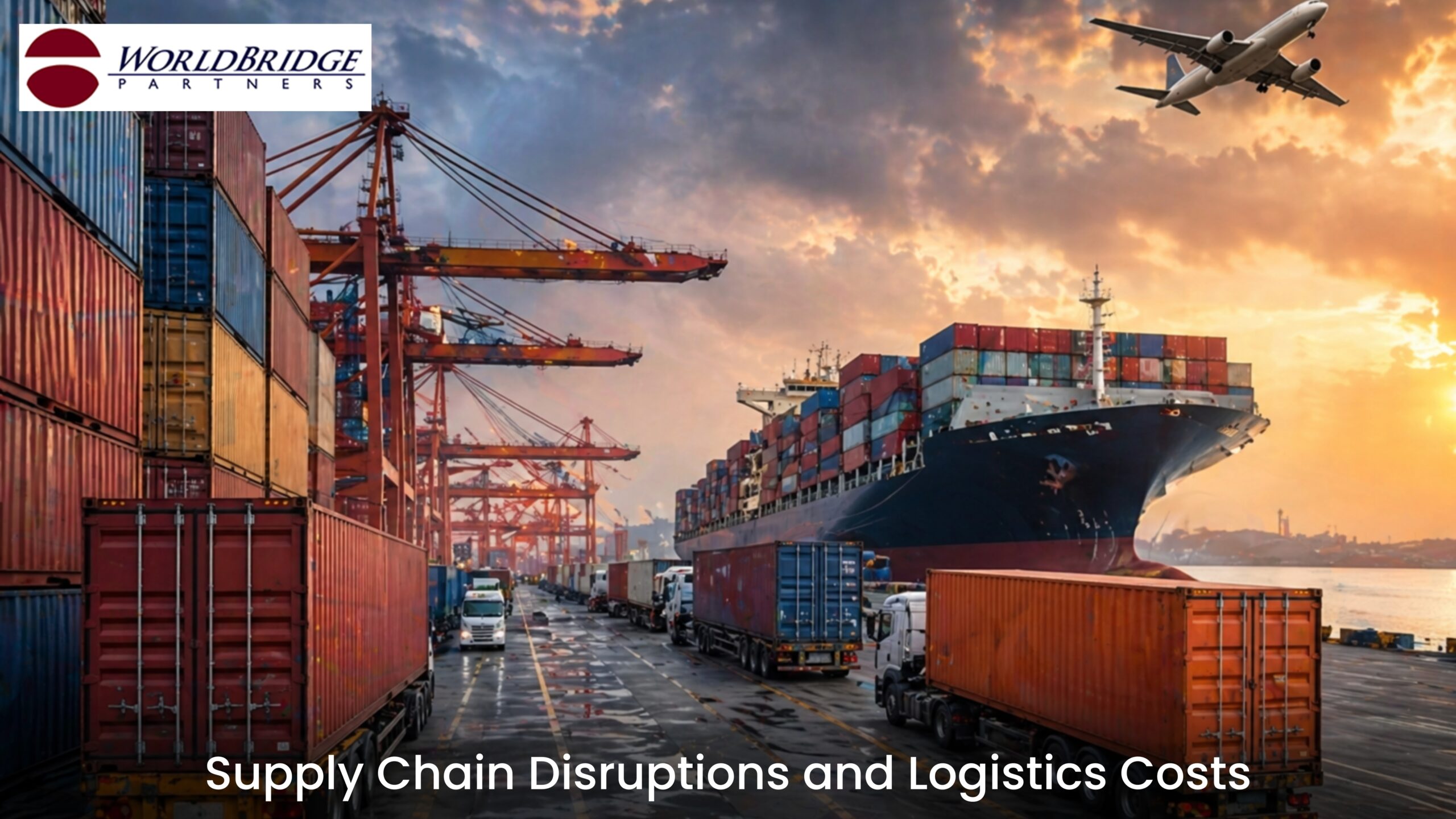
Supply Chain Disruptions and Logistics Costs
In 2026, supply chains are no longer just an operations concern; they’re a full-blown talent challenge. From rising freight costs to unpredictable delivery timelines, disruptions are forcing companies to rethink everything. But here’s the twist most leaders didn’t expect: the real pressure is landing on recruiters.
Because when logistics break, hiring becomes urgent, strategic, and incredibly complex.
Disruption is constant, and hiring can’t Keep Up.
Global supply chains are dealing with port congestion, fuel price spikes, geopolitical shifts, and last-mile delivery challenges. Logistics costs are climbing, and companies are scrambling to adapt.
This chaos is hitting recruitment hard:
- Sudden demand for niche logistics and supply chain roles
- Hiring spikes during crisis periods, followed by hiring freezes
- Difficulty finding candidates who can handle high-pressure environments
- Increased competition for experienced talent
Recruiters are now expected to respond in real time, not in quarters.
The New “Must-Hire” Talent Profile
The market has shifted from traditional logistics roles to highly skilled, tech-enabled professionals. Companies don’t just want coordinators; they want problem-solvers who can manage disruption at scale.
Recruiters are prioritizing candidates with:
- Experience in digital supply chain platforms and real-time tracking tools
- Strong data-driven decision-making skills
- Expertise in cost optimization and route efficiency
- Ability to handle crisis scenarios and rapid changes
This is creating a talent gap that’s getting harder to close every quarter.
Recruitment Is Becoming a Strategic Function
In 2026, recruiters are no longer just part of HR; they’re part of core business strategy. Hiring decisions now directly impact how well a company can respond to supply chain disruptions.
Key shifts recruiters are leading:
- Moving from reactive hiring to proactive talent mapping
- Collaborating closely with logistics and operations teams
- Hiring for agility, not just experience
- Building pipelines for high-demand roles before disruptions happen
Recruitment is now about anticipating problems, not just solving them.
Speed vs Quality: The Hiring Dilemma
One of the biggest challenges recruiters face today is balancing speed with quality. Companies want immediate hires, but the best candidates are already in demand.
What recruiters are doing differently:
- Leveraging AI tools to identify and screen candidates faster
- Focusing on transferable skills instead of perfect profiles
- Expanding talent pools beyond traditional industries
- Offering flexible roles to attract top talent quickly
Hiring has become a race, and recruiters are under pressure to win it.
The Bottom Line
Supply chain disruptions and rising logistics costs are reshaping the hiring landscape. The companies that stay ahead aren’t just optimizing routes or reducing costs; they’re hiring smarter, faster, and more strategically.
In today’s market, recruiters are no longer support functions. They are decision-makers, risk managers, and growth enablers.
Because when supply chains are unpredictable, the only real control companies have is the talent they bring in to manage the chaos.
Related Posts