skip to Main Content
- Introduction
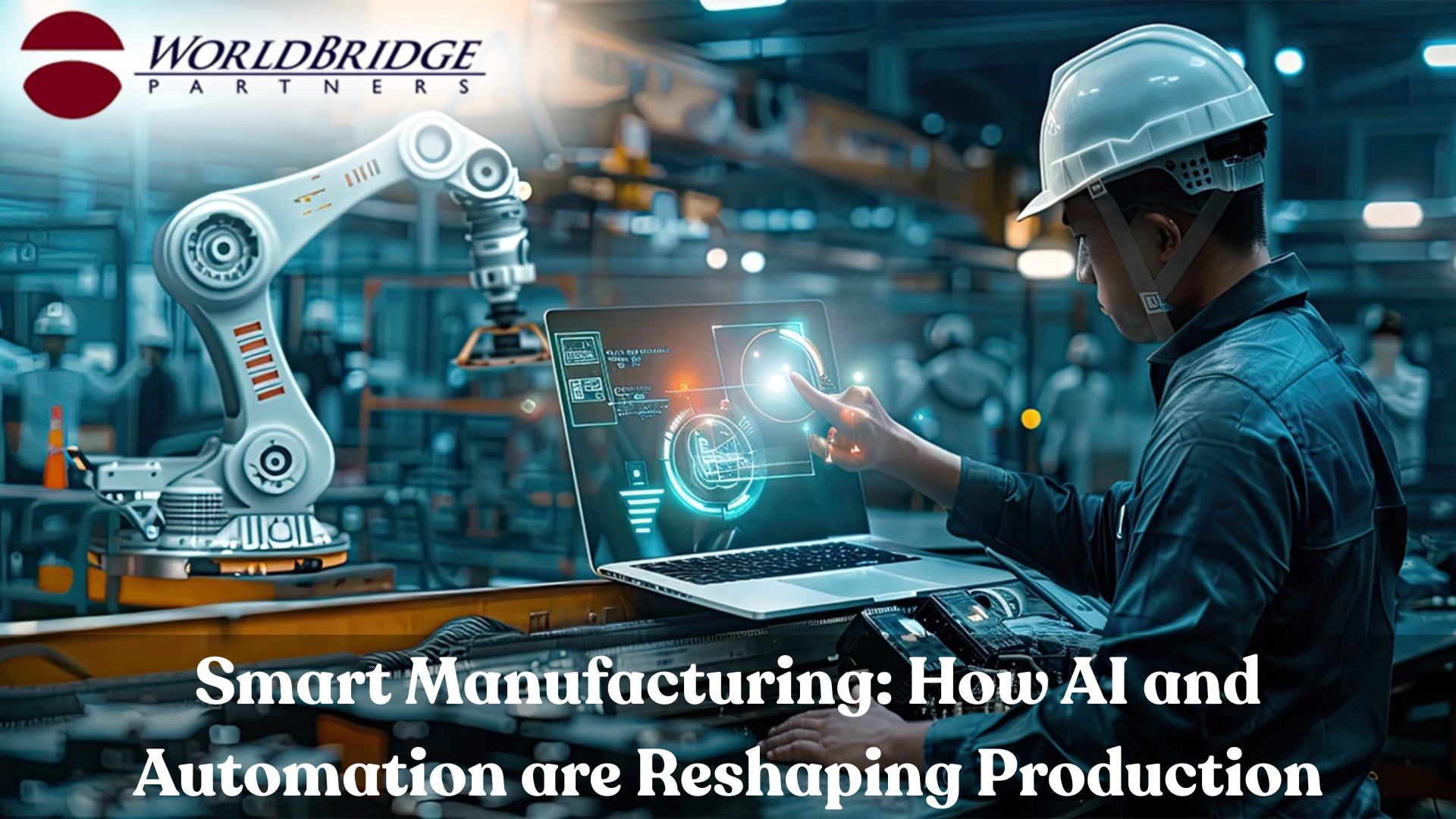
The manufacturing industry is undergoing one of the most profound transformations since the Industrial Revolution. Smart manufacturing, driven by artificial intelligence (AI) and automation, is revolutionizing the way products are designed, produced, and delivered. U.S. manufacturers are leading this transition, investing heavily in intelligent systems that enhance efficiency, reduce costs, and open new opportunities for growth.
- The Rise of Smart Manufacturing
Smart manufacturing integrates digital technologies—such as AI, machine learning, robotics, and the Industrial Internet of Things (IIoT)—into production systems. Unlike traditional automation, which focuses on repetitive tasks, smart manufacturing creates an interconnected ecosystem where machines can analyze data, predict outcomes, and adjust operations in real time. This results in a more adaptive, resilient, and efficient production environment.
- AI-Powered Predictive Maintenance
Unplanned downtime has consistently been one of the most significant challenges in manufacturing. AI is changing this by enabling predictive maintenance. By analysing sensor data from machines, AI systems can identify early signs of wear or malfunction and alert operators before breakdowns occur. This approach not only reduces downtime but also extends the life cycle of expensive equipment, saving millions annually across large-scale operations.
- Automation and Robotics in Production Lines
Automation has long been part of the manufacturing sector, but modern robotics equipped with AI capabilities is taking it further. Collaborative robots (cobots) work safely alongside humans, handling tasks such as assembly, packaging, and quality inspection. These robots are designed to learn and adapt to new tasks quickly, thereby improving flexibility and productivity without entirely replacing the human workforce.
- Data-Driven Quality Control
AI algorithms are revolutionizing quality assurance by detecting defects that human eyes or traditional inspection systems might miss. Cameras and sensors connected to AI models can evaluate products in milliseconds, ensuring higher accuracy and consistency. This level of precision reduces waste, enhances product reliability, and strengthens customer trust—critical advantages in highly competitive industries.
- Supply Chain Optimization
The disruptions in global supply chains over recent years have underscored the need for more intelligent solutions. AI-driven tools in smart manufacturing enable the forecasting of demand, real-time monitoring of inventory, and identification of alternative suppliers when issues arise. This ensures that production schedules are less vulnerable to unexpected delays, creating a more resilient supply chain that can respond quickly to market fluctuations.
- Human-Machine Collaboration
Smart manufacturing doesn’t eliminate the role of humans—it enhances it. Workers are increasingly shifting from repetitive tasks to higher-value roles such as programming, monitoring, and maintaining AI-powered systems. By upskilling employees to work alongside advanced machines, manufacturers can achieve both efficiency and innovation while maintaining a strong workforce.
- Sustainability and Energy Efficiency
AI and automation are also driving sustainability in the manufacturing sector. Innovative systems optimize energy consumption by adjusting production schedules, monitoring emissions, and minimizing waste. Manufacturers adopting AI-driven sustainability strategies not only meet regulatory requirements but also reduce operational costs and appeal to environmentally conscious customers.
- Challenges Ahead
While the benefits of smart manufacturing are undeniable, the transition to this approach presents several challenges. High upfront costs for AI and automation systems, cybersecurity risks in connected environments, and the need for workforce reskilling remain key hurdles. Manufacturers must strike a balance between innovation and governance, ensuring that technology adoption aligns with their long-term strategic goals.
- Conclusion
Smart manufacturing is reshaping the future of the industry, turning factories into intelligent ecosystems powered by AI and automation. By leveraging predictive analytics, robotics, real-time data, and sustainable practices, manufacturers are setting new benchmarks for productivity, quality, and efficiency. Those who embrace this transformation today will lead the global manufacturing sector tomorrow.
Back To Top
