In a fast-moving, dynamic industry such as food and beverage, success is not merely dependent…
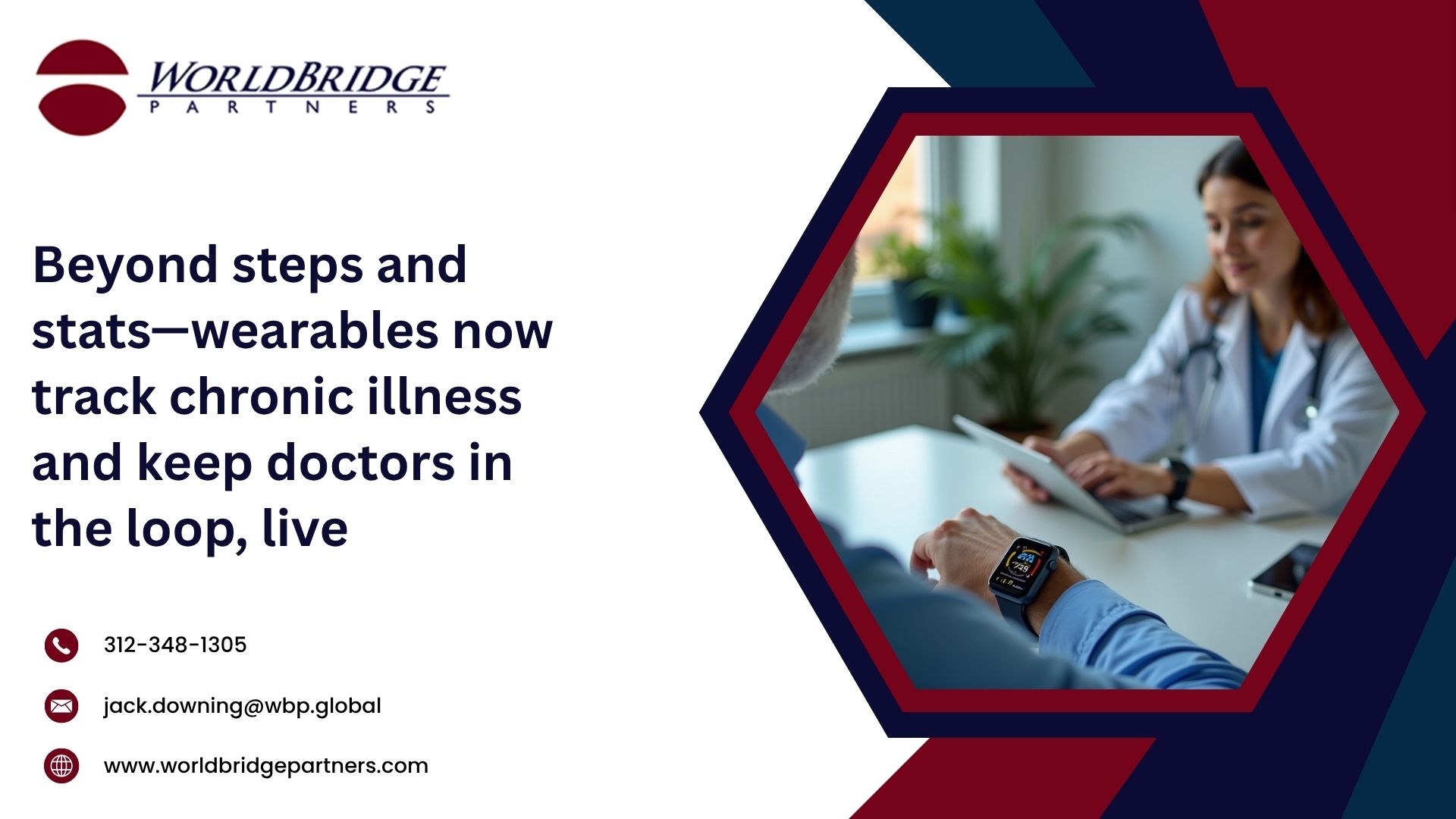
Beyond steps and stats—wearables now track chronic illness and keep doctors in the loop, live
In recent years, wearable technology has undergone a significant transformation. Once limited to tracking steps and calories, these compact devices are now playing a critical role in the future of healthcare. Wearable technology is advancing beyond fitness tracking to monitor chronic diseases and provide real-time data to healthcare providers. This evolution is reshaping how we approach health management and disease prevention.
From smartwatches to biosensors, wearable devices can now monitor blood pressure, blood glucose levels, heart rhythms, oxygen saturation, sleep patterns, fall prediction and more. These innovations are particularly valuable for patients living with chronic illnesses such as diabetes, heart disease, and hypertension. By delivering continuous, real-time insights, doctors and specialists can make informed decisions quickly, without waiting for periodic in-clinic assessments.
These devices are essential for preventive care and ongoing health management. Instead of treating symptoms after they arise, healthcare providers can use the data collected from wearables to detect potential health issues early, implement proactive treatment plans, and reduce hospital readmissions. For patients, this means more personalized care, greater autonomy over their health, and improved quality of life.
Tech giants like Apple, Fitbit, and Garmin have already integrated medical-grade sensors into their wearables. However, startups are developing even more specialized tools targeting conditions like sleep apnea, epilepsy, and atrial fibrillation. Integrating AI and machine learning further enhances their predictive capabilities, making them more competent and responsive.
As healthcare continues to shift toward value-based and patient-centric models, wearable technology is at the forefront of this transformation, bridging the gap between clinical care and everyday life.
Related Posts